
Hair Loss and Seborrheic Dermatitis
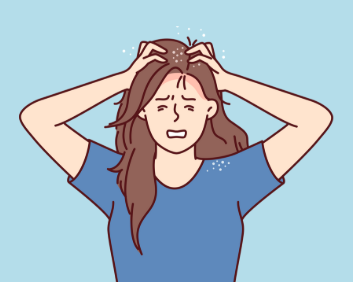
Seborrheic dermatitis is a common inflammatory skin condition that primarily affects the scalp, leading to redness, flaking, and itching. While the condition itself does not directly cause permanent hair loss, its effects on the scalp can contribute to temporary shedding. The inflammation associated with seborrheic dermatitis can weaken hair follicles, leading to increased hair fall, particularly in severe or chronic cases. Additionally, excessive oil production and the presence of Malassezia yeast, which are linked to the condition, may disrupt the hair growth cycle and contribute to thinning over time.
Several studies have explored the relationship between seborrheic dermatitis and hair loss. Research suggests that chronic inflammation can trigger telogen effluvium, a condition that causes excessive shedding due to disturbances in the hair growth cycle. Furthermore, prolonged irritation and scratching of the scalp may lead to mechanical damage to the hair shafts, exacerbating hair loss. Some studies indicate that antifungal and anti-inflammatory treatments, such as ketoconazole shampoos, not only help control seborrheic dermatitis but may also promote hair regrowth by reducing inflammation and fungal overgrowth.
While seborrheic dermatitis can lead to increased hair shedding, it is generally reversible with proper treatment and scalp care. Managing the condition with medicated shampoos, corticosteroids, and lifestyle adjustments can reduce inflammation and prevent further hair loss. If left untreated, prolonged inflammation may contribute to a more significant weakening of hair follicles, potentially accelerating hair thinning in individuals predisposed to conditions like androgenetic alopecia. Therefore, early intervention and consistent treatment are crucial in minimizing hair loss associated with seborrheic dermatitis.
References:
Gupta, A. K., & Bluhm, R. (2004). Seborrheic dermatitis. Journal of the American Academy of Dermatology, 50(6), 895-905.
Piérard-Franchimont, C., Piérard, G. E., & Arrese, J. E. (2006). The antifungal strategy for pityrosporoses: A myth or a reality? Journal of the European Academy of Dermatology and Venereology, 20(1), 1-11.
Kastarinen, H., Oksanen, T., Okokon, H., Kiviniemi, V., & Aaltonen, V. (2014). Topical antifungals for seborrheic dermatitis. Cochrane Database of Systematic Reviews, 2014(5).