
Hair Transplants in Raleigh, NC
Personalized FUE & FUT Hair Restoration
Jernigan’s provides personalized FUE & FUT hair transplant surgery in Raleigh, NC, with plans tailored to your hair loss, donor area, and long-term goals.
How Hair Transplant Surgery Works
Hair transplantation moves healthy hair follicles from a donor area—typically the back and sides of the scalp—to areas affected by thinning or hair loss.
These follicles are carefully placed to complement your existing hair, natural growth patterns, and desired appearance.
At Jernigan’s, we offer both Follicular Unit Extraction (FUE) and Follicular Unit Transplantation (FUT), allowing the surgical approach to be selected based on your individual needs and donor characteristics.
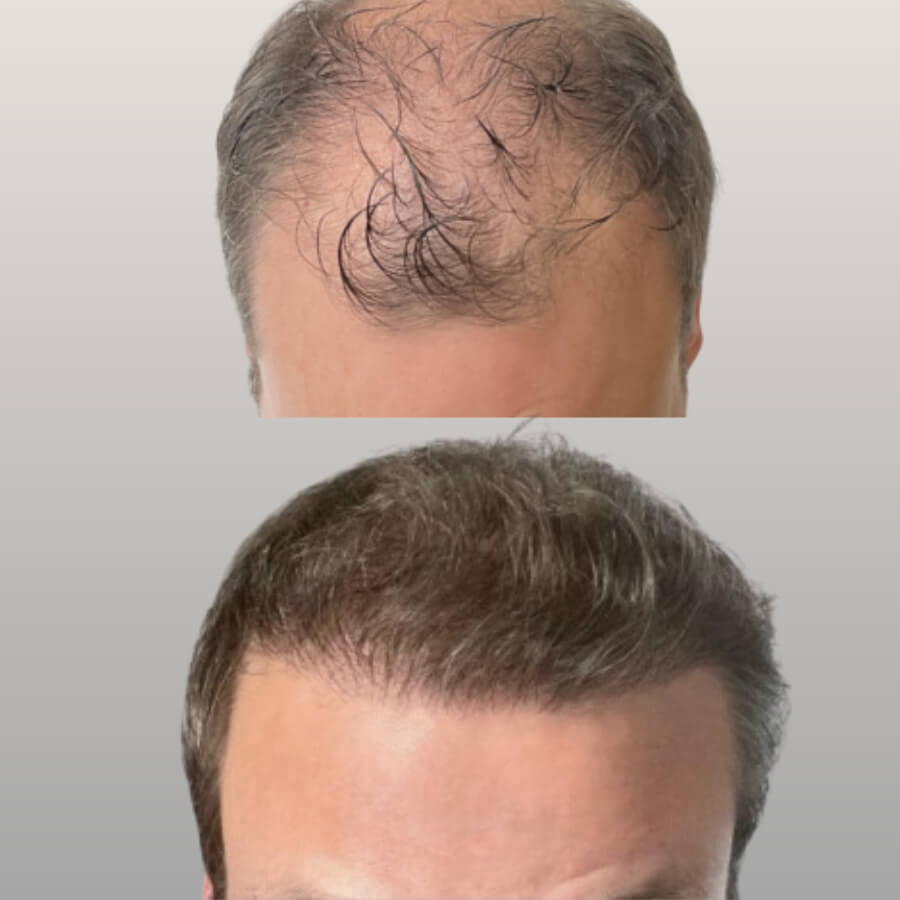
FUE vs. FUT Hair Transplants
FUE — Follicular Unit Extraction
FUE removes individual follicular units from the donor area without removing a strip of scalp, leaving small extraction scars rather than one linear donor scar.
May be a good fit for patients who:
Prefer shorter hairstyles
Want to avoid a linear donor scar
Are interested in traditional, Stealth, or No-Shave FUE
Have donor characteristics suitable for individual extraction
FUT — Follicular Unit Transplantation
FUT involves removing a narrow strip of donor tissue from the scalp, which is then carefully divided into individual follicular-unit grafts for transplantation.
May be a good fit for patients who:
Need a larger number of grafts
Typically wear their hair long enough to conceal a linear scar
May benefit from a concentrated donor harvest
Have donor characteristics suited to FUT
FUE or FUT?
Neither FUE nor FUT is the right choice for every patient.
The most appropriate technique depends on your donor density, hair characteristics, degree of hair loss, hairstyle preferences, and restoration goals.
During your consultation, our team will evaluate these factors and explain which surgical approach may be better suited to your needs.
What to Expect From Hair Transplant Surgery
1
Consultation & Evaluation
We assess your hair loss, donor area, medical history, hair characteristics, and restoration goals to determine your surgical options.
2
Treatment Planning
Your surgical plan considers the areas being restored, estimated graft requirements, donor strategy, and recommended technique.
3
Donor Hair Harvesting
Healthy follicular units are collected from the donor area using the FUE or FUT method selected for your procedure.
4
Recipient Site Creation
Recipient sites are created with attention to your natural hair direction, existing density, and overall restoration design.
5
Graft Placement
Prepared follicular-unit grafts are carefully placed into the recipient sites according to your individual surgical plan.
6
Healing & Hair Growth
Following transplantation, the scalp heals and new growth develops gradually over the months that follow.
Hair Transplants for Different Areas of Hair Loss
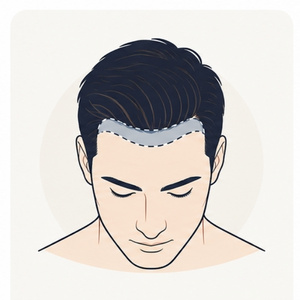
Hairline
Address a receding or thinning hairline with a design that complements your natural features and existing hair.
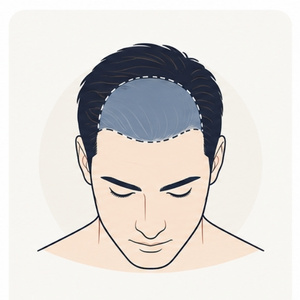
Frontal Density
Improve selected areas of thinning behind the hairline while maintaining a natural transition with surrounding hair.
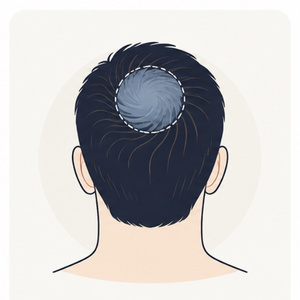
Crown
Restore areas of crown thinning with careful consideration of donor availability and natural growth patterns.
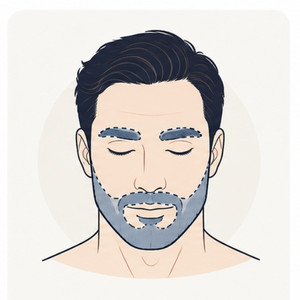
Facial Hair
Explore beard and eyebrow transplantation to address suitable areas of facial hair thinning or hair loss.
Specialized Hair Transplant Care in Raleigh
Hair restoration is our focus at Jernigan’s. Rather than taking the same approach with every patient, our team evaluates your individual hair loss, donor characteristics, and long-term needs to develop a personalized surgical plan.
Personalized Planning
Every treatment plan considers your hair loss pattern, donor characteristics, and individual restoration goals.
Multiple Surgical Options
We offer FUE and FUT, including Stealth and No-Shave FUE options for appropriately selected patients.
Donor Management
Donor hair availability is carefully evaluated to guide graft planning and consider possible future needs.
Natural-Looking Design
Hairline shape, growth direction, and graft placement are planned to complement your existing hair.
Is a Hair Transplant Right for You?
Hair transplantation may be an option for men and women with appropriate donor hair and areas of hair loss that can benefit from surgical restoration.
Hair-loss pattern and progression
Donor density, hair caliber, and texture
Age, medical history, and previous procedures
Restoration goals and long-term expectations
Not everyone experiencing hair loss is a candidate for surgery. A consultation allows our team to evaluate your options and discuss realistic expectations.
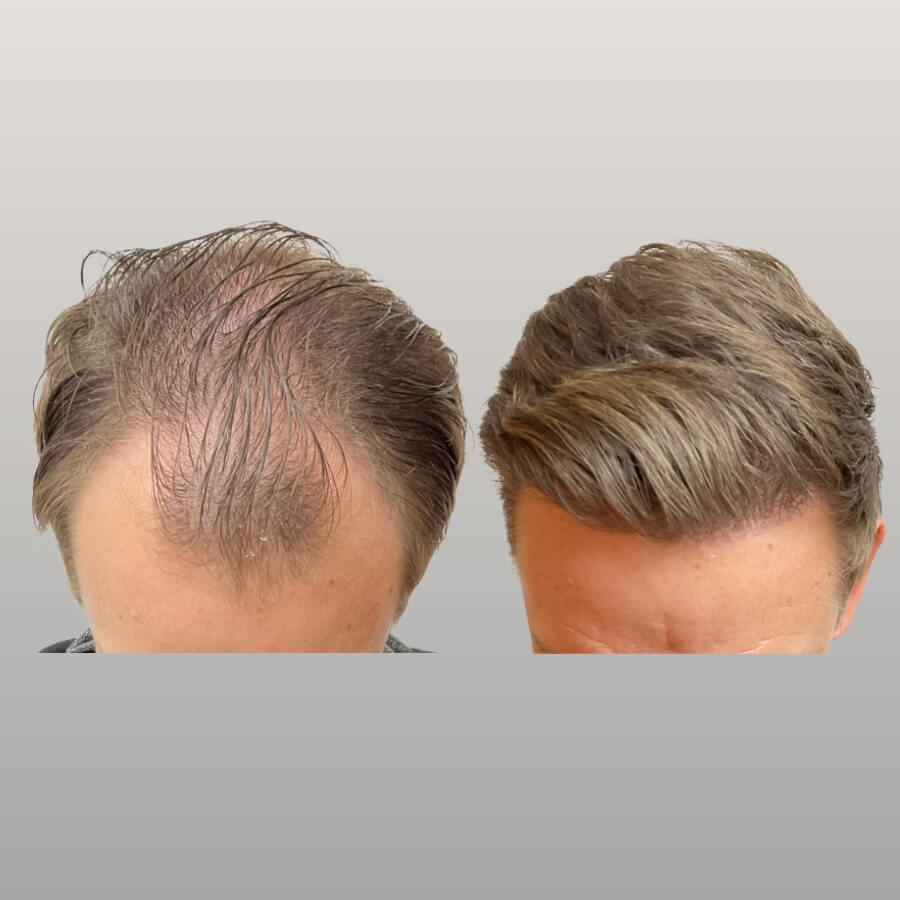
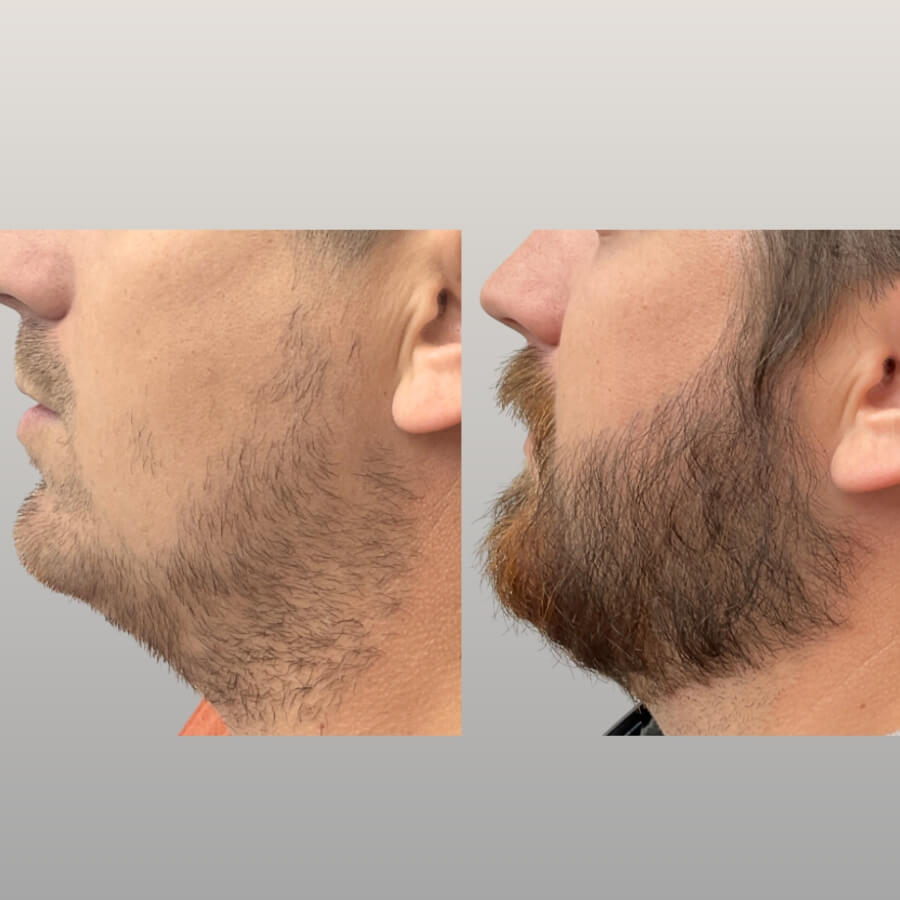
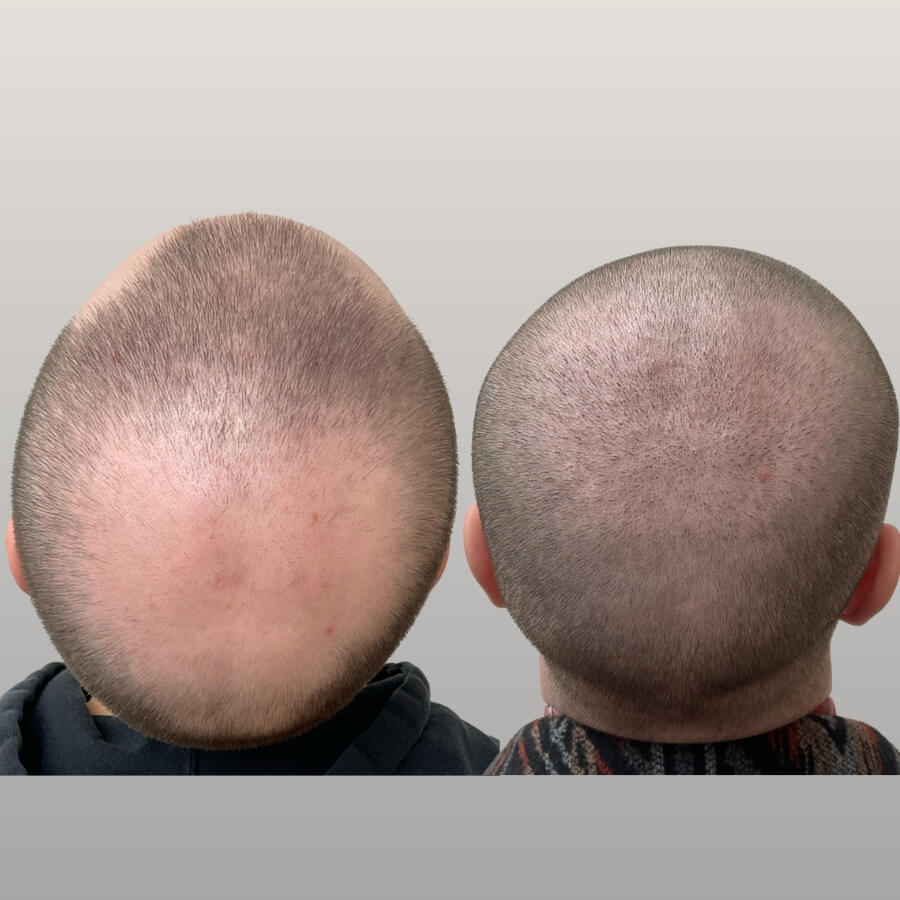
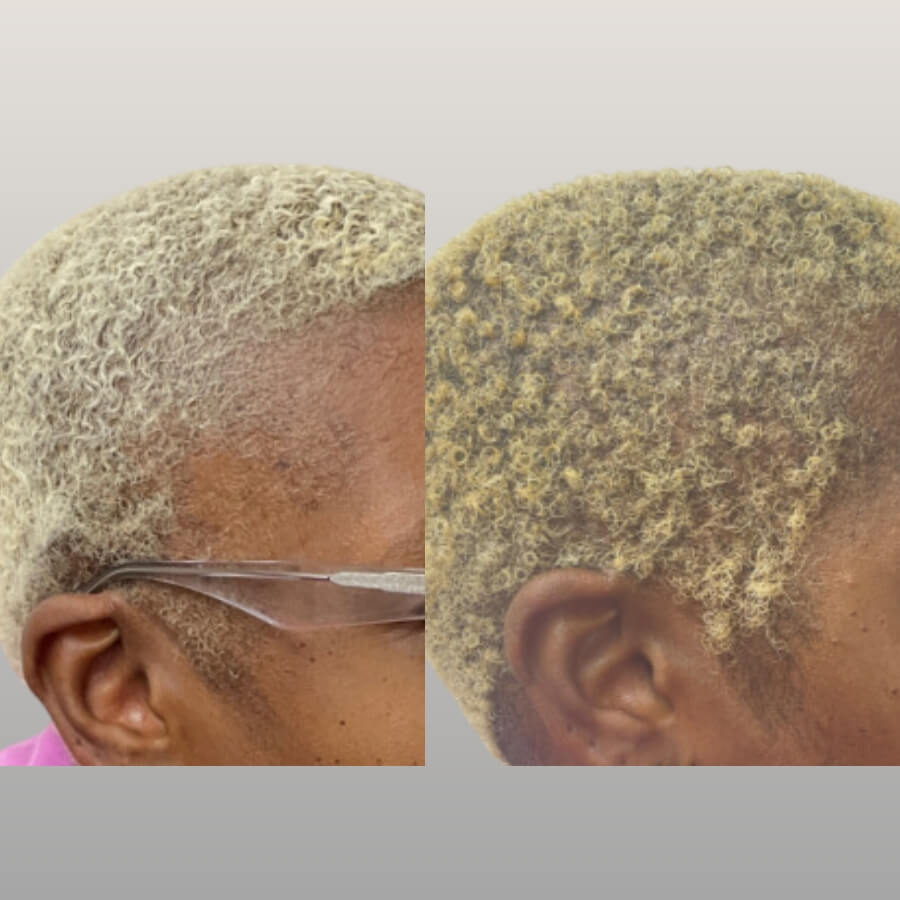
Hair Transplant Before & After Results
Explore real patient results from hair restoration procedures performed at Jernigan’s.
Every patient’s results are different. Outcomes depend on factors such as the extent of hair loss, donor availability, graft requirements, hair characteristics, and individual healing.
Frequently Asked Questions About Hair Transplants
How much does a hair transplant cost?
The cost of a hair transplant depends on the number of grafts needed, the surgical technique, and your individual treatment plan. During your consultation, our team can discuss your options, provide a personalized estimate, and explain available financing options.
Is transplanted hair permanent?
Transplanted follicles are generally selected from areas that are more resistant to pattern hair loss. Many transplanted hairs can continue growing long term, although results vary and surrounding non-transplanted hair may continue to thin over time.
What is the difference between FUE and FUT?
FUE extracts individual follicular units from the donor area, creating small extraction scars. FUT removes a narrow strip of donor tissue, leaving a linear scar. Both techniques offer different advantages depending on your donor hair, hairstyle preferences, and restoration goals.
How many grafts will I need?
Graft requirements vary based on the area being restored, desired coverage, existing density, donor availability, and hair characteristics. An evaluation helps determine an appropriate graft estimate.
Will I need to shave my hair?
Shaving requirements depend on the procedure. Traditional FUE typically involves trimming or shaving the donor area, while Stealth and No-Shave FUE may reduce visible shaving. FUT generally requires trimming the selected donor strip area.
What is recovery like after a hair transplant?
Recovery varies by procedure and individual healing. Temporary redness, swelling, and scabbing can occur. Our team will provide postoperative instructions and explain when you can resume your regular activities.
How long does a hair transplant procedure take?
Procedure length depends on the surgical technique and number of grafts needed. Larger procedures generally take longer, and your team will review the expected schedule during treatment planning.
When will I see results from a hair transplant?
Transplanted hairs may initially shed before new growth begins. Growth typically develops gradually over several months, and the final appearance can take a year or longer for some patients.
Explore Your Hair Transplant Options in Raleigh
Whether you’re considering FUE or FUT, the first step is understanding your hair loss, donor availability, and restoration goals.
Meet with the Jernigan’s team in Raleigh to discuss your options and receive a personalized hair transplant evaluation.