
Early Signs of Hair Thinning You Shouldn’t Ignore
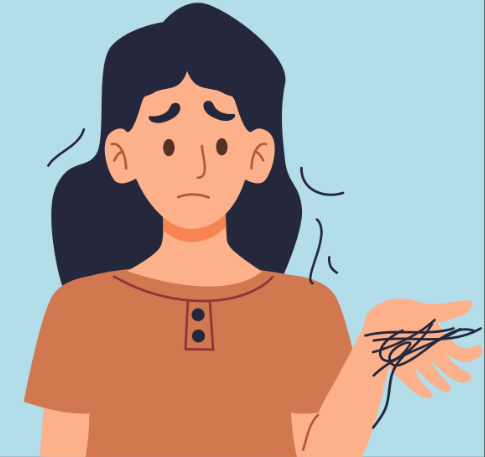
Hair thinning is more common than many realize, affecting both men and women as they age. Catching it early can make a huge difference—not just in maintaining a full head of hair but in preventing long-term damage. Recognizing the subtle signs of thinning hair allows you to act sooner and explore effective treatment options before hair follicles become permanently weakened.
The Most Common Early Signs of Hair Thinning
Even minor changes in your hair can signal the start of thinning. Watch for these early indicators:
- Excess shedding: Noticeable hair on your pillow, in the shower, or on your brush is often the first sign. While some shedding is normal, a sudden increase should not be ignored.
- Widening hair part: If your part looks broader than it used to, this may indicate thinning along the scalp.
- Receding temples: Common in male and female pattern hair loss, temples may gradually lose density over time.
- Thinner ponytail (for women): If your ponytail feels noticeably smaller, it could be an early signal of overall hair loss.
- See-through scalp in bright light: Light shining through your hair may reveal areas that are beginning to thin.
Causes Behind Early Hair Thinning
Understanding the reasons for hair thinning helps in addressing it effectively. Common causes include:
- Genetics: Hereditary hair loss, or androgenetic alopecia, is the leading cause of early thinning.
- Hormonal changes: Thyroid issues, menopause, or elevated androgen levels can trigger hair loss.
- Stress: Physical or emotional stress can push hair follicles into a resting phase, causing temporary shedding known as telogen effluvium.
- Nutrition: Deficiencies in protein, iron, vitamin D, or biotin can weaken hair and slow growth.
- Medical conditions and medications: Certain illnesses and drugs may contribute to hair loss.
Why Early Treatment Is Crucial
Hair follicles undergo miniaturization as thinning progresses—shrinking over time until they eventually stop producing hair. Treating hair loss early increases the likelihood of preserving existing hair and even restoring growth. Early intervention typically results in better outcomes and may reduce the need for more invasive procedures later.
Effective Early-Stage Treatment Options
If you notice signs of thinning, several safe and effective treatments are available:
- Medications:
- Topical minoxidil stimulates hair growth and slows shedding.
- Oral finasteride (for men) reduces hormone-related hair loss.
- Regenerative therapies:
- PRP (Platelet-Rich Plasma) and PRF (Platelet-Rich Fibrin) use growth factors to revitalize follicles.
- Exosome treatments promote cellular communication that supports hair regeneration.
- Non-surgical hair systems: Custom hairpieces provide immediate cosmetic improvement while supporting natural growth.
- Lifestyle and nutrition: A balanced diet rich in protein, iron, zinc, and vitamins—combined with stress management—supports healthy hair.
When to See a Specialist
While minor shedding can be normal, professional evaluation is recommended if you notice:
- Rapid or patchy hair loss
- Visible scalp through the hair
- Significant thinning in specific areas
A dermatologist or hair restoration specialist can identify the cause, recommend the best treatment, and monitor progress to prevent further loss.
Conclusion
Early detection and proactive care are key to maintaining healthy hair. If you notice any of the warning signs of thinning, don’t wait—consult a specialist to explore your options. With modern treatments and lifestyle support, many individuals successfully preserve or even restore their hair, boosting both confidence and quality of life.
References:
- American Academy of Dermatology (AAD) – Hair Loss Resource
- Mayo Clinic – Hair Loss Causes & Treatments
- Journal of the American Academy of Dermatology – Studies on PRP and early-stage hair loss treatments